What is the aorta, and what can go wrong?
The aorta is the body's largest artery — it carries blood from the heart to the rest of the body. Problems with the aorta are serious because of its size and the volume of blood it carries. The main conditions treated surgically are:
- Aortic aneurysm — an abnormal bulging or widening of the aorta that can grow and, if untreated, rupture.
- Aortic dissection — a tear in the inner wall of the aorta, often a surgical emergency.
- Aortic root disease — disease where the aorta meets the heart, often involving the aortic valve.
When is surgery needed?
Surgery is recommended when an aneurysm reaches a size where the risk of rupture outweighs the risk of operating, when a dissection occurs, or when aortic root disease affects the aortic valve. The threshold depends on the size, growth rate, location, and underlying cause, and on conditions such as connective tissue disorders.
Types of aortic surgery
Aortic root and ascending aorta replacement
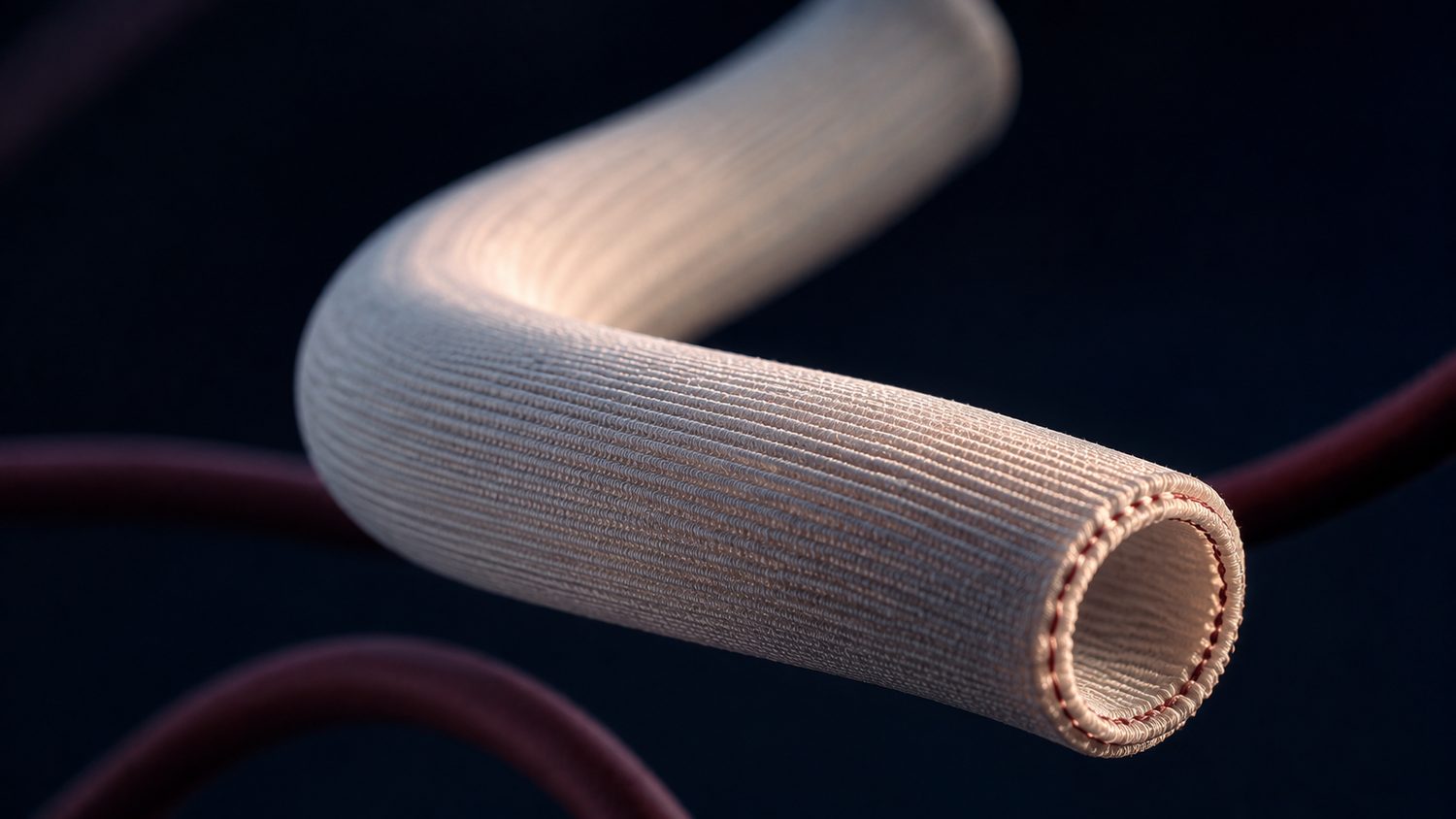
The diseased segment of the aorta is replaced with a graft (a tube of durable material). When the aortic valve is also involved, it may be repaired or replaced at the same time — sometimes with a combined valve-and-graft procedure.
Valve-sparing root replacement
In selected patients, the aortic root is replaced while preserving the patient's own aortic valve — avoiding a valve replacement and its long-term implications.
Recovery
Aortic surgery is major heart surgery and recovery is typically a little longer than for routine bypass — often six to ten days in hospital and eight to twelve weeks to full recovery. Close follow-up and blood-pressure control are essential afterwards to protect the repair.
Risks
Aortic surgery is complex and is performed with full tertiary cardiac surgical support at Punjab Institute of Cardiology. Risks reflect the complexity and the patient's condition, and include bleeding, stroke, and kidney strain; emergency dissection surgery carries higher risk than planned aneurysm repair. Your individual situation is discussed in detail before any operation.
Frequently asked questions
How big does an aneurysm have to be before surgery?
There is no single number for everyone — the threshold depends on the aneurysm's size, how fast it is growing, its location, and the underlying cause. Your surgeon weighs the risk of rupture against the risk of operating.
Is aortic dissection always an emergency?
Many dissections, particularly those involving the upper aorta, are surgical emergencies requiring immediate treatment. Sudden severe tearing chest or back pain should never be ignored — seek emergency care at once.
Can the aortic valve be saved during root surgery?
In selected patients, yes — a valve-sparing root replacement preserves your own valve. Whether this is possible depends on the condition of the valve, assessed before surgery.